Shotokan Karate
Shotokan Karate is one of the most widely practiced traditional styles of Karate-do in the world. Its roots originate from the martial arts traditions of Okinawa, where karate developed through generations of disciplined practice and cultural exchange.
Several early Okinawan traditions emerged over time, most notably Shuri-te, Naha-te, and Tomari-te. These systems formed the foundation of modern Okinawan karate and later influenced the development of Japanese karate styles such as Shotokan.
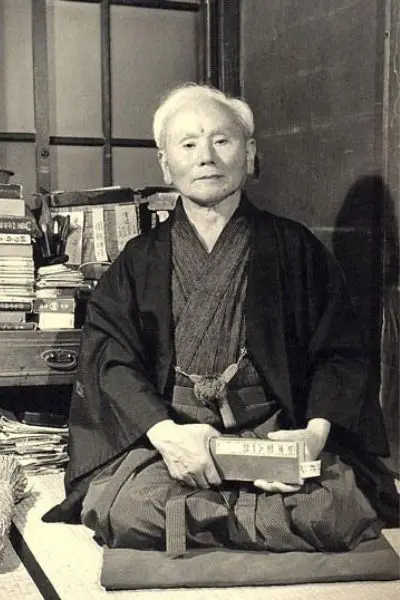
Modern Shotokan karate was founded by Gichin Funakoshi, who introduced Okinawan karate to mainland Japan in the early 20th century. His teachings, strongly influenced by the Shuri-te tradition, helped establish karate not only as a method of self-defense, but also as a lifelong path of discipline, humility, self-control, and personal development.
Traditional Shotokan training emphasizes:
-Kihon (fundamental techniques)
-Kata (formal patterns and movement)
-Kumite (partner practice and sparring)
-Proper body mechanics, distancing, timing, and control
-Respect, etiquette, and personal development through Karate-do
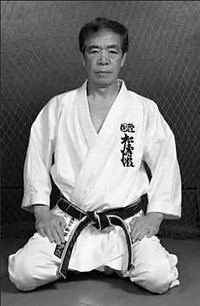
The practice at Shoto Tora Karate follows a traditional Shotokan approach strongly influenced by the teachings and technical methodology of Hirokazu Kanazawa and the Shotokan Karate-do International Federation tradition (SKIF).
Karate training is viewed not simply as physical exercise, but as a lifelong path of study, discipline, and self-development through continuous practice.